A wide range of possibilities
Discover essential tools designed to strengthen humanitarian training and professional development.
Education and Training
The Center for Humanitarian Studies–Tigray design and implement structured training programs that combine theoretical knowledge with practical, field-based learning. Activities include the delivery of Certificates programs, tailored workshops on humanitarian principles, project management, and community engagement, alongside mentorship schemes that pair experienced practitioners with emerging leaders from local NGOs and CSOs.
The Center also develops context-specific curricula and resource materials in local languages to ensure accessibility and relevance. By embedding participatory approaches and continuous evaluation, these initiatives strengthen organizational capacity, enhance technical skills, and empower local actors to lead effective, sustainable humanitarian responses in Tigray and across the region.
Certificate Programme
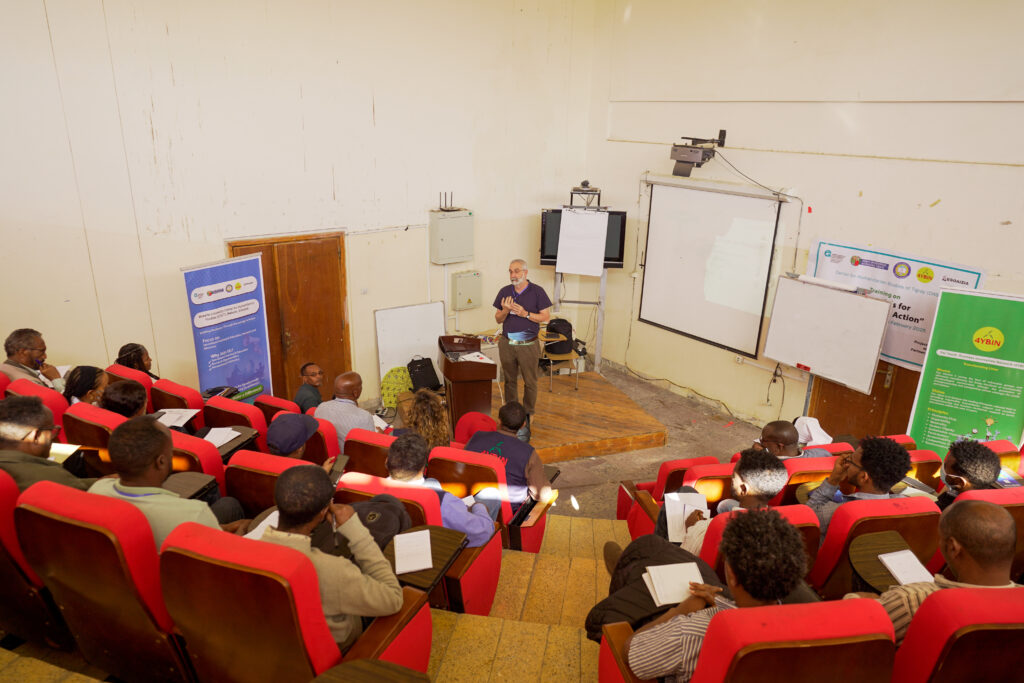
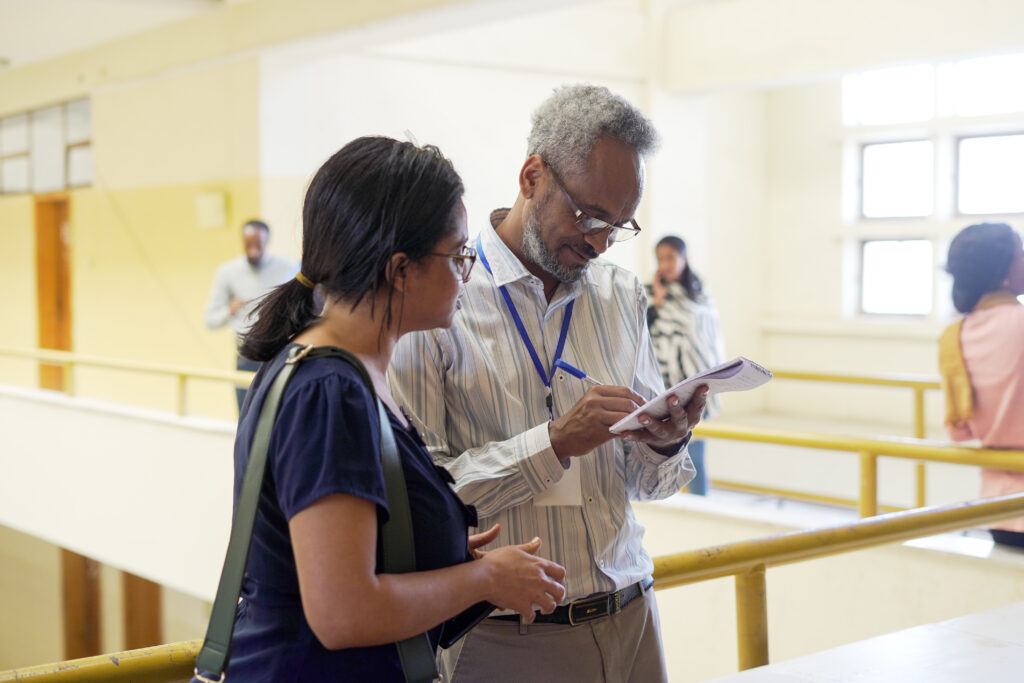
The Certificate Programme offers short, certified courses on key topics in humanitarian action, tailored to the needs of both practitioners and academic audiences. The courses are designed to combine essential concepts, recognized standards, and current debates with a practical, hands-on approach that helps participants connect learning to real humanitarian contexts.
The Programme is particularly aimed at humanitarian practitioners, staff of local, national and international organizations, public institutions, researchers, lecturers, students, and other participants interested in strengthening their understanding of humanitarian action. Its added value lies in bringing together conceptual clarity and applied learning, so that participants can engage critically with key humanitarian issues while also developing practical tools, methods, and approaches relevant to their work or studies.
The first round of each certificate has been developed collaboratively by the Center, with local practitioners and the Faculty of Management Studies from Mekelle University, in partnership with local practitioners and external experts from the University of Deusto/NOHA Network and independent specialists. Subsequent rounds of the certificates are then delivered by the local experts.
The certificate courses are usually delivered in a short but intensive format, typically over 5 to 9 days, with four hours of instruction per day. The courses can be taken on a stand-alone basis, provided that participants have the required prior knowledge for more advanced courses. This allows practitioners, academics, students, or other interested participants to select the specific Certificate that best responds to their needs, interests, or professional priorities.
At the same time, the courses may also be taken progressively, one by one, as part of a broader learning pathway. In this way, participants can gradually build a more complete formation in humanitarian action, moving from introductory Certificates to more specialized topics over time.
CHS-T is currently offering the following courses as part of the Certificate Programme:
– Introduction to Humanitarian Response and Preparedness
– Introduction to Public Health and Gender-Based & Violence in Humanitarian Settings
– Introduction to Strategic Management of Humanitarian Action
– Introduction to the Humanitarian-Development-Peace Nexus in Post-Conflict Context
– Introduction to Humanitarian Needs Assessment and Analysis
CHS-T is preparing to deliver a Post Graduate Diploma and Master’s Program related to humanitarian response and action. It is also making preparations to provide Micro Training Programs under each of the Certificate Programs we are currently running.
Research
The Center for Humanitarian Studies–Tigray is establishing a robust research agenda that prioritizes globally and locally relevant issues and integrates both qualitative and quantitative methodologies. Activities include field-based assessments, participatory studies with affected communities, and collaborative research projects with humanitarian organizations. The Center produces evidence-based reports, policy briefs, and analytical papers that translate findings into actionable recommendations for practitioners and policymakers.
By hosting research dissemination forums and creating open-access knowledge platforms, the Center ensures that insights are widely shared, directly informing humanitarian practice and guiding policy decisions that strengthen response strategies in Tigray and across the region.

Advocacy
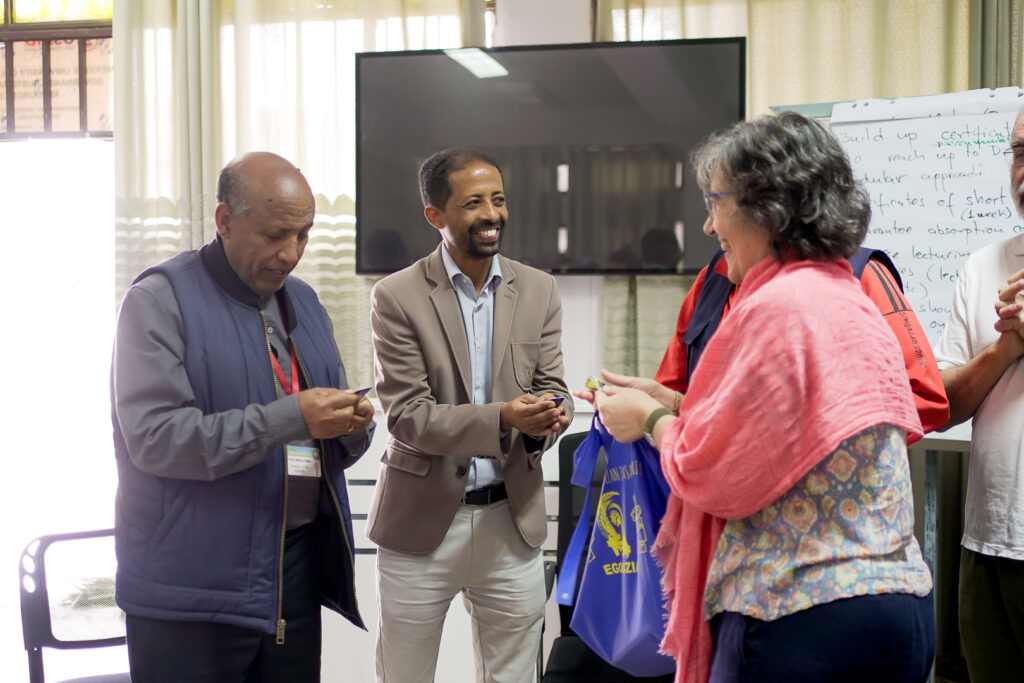
To advance locally-led initiatives and foster inclusive partnerships, the Center for Humanitarian Studies–Tigray will serve as a dynamic regional hub that convenes diverse stakeholders —including community organizations, government agencies, NGOs, and academic institutions— for dialogue and joint action.
Activities will include organizing policy forums, hosting capacity-building workshops, and facilitating knowledge-sharing platforms that amplify local voices and expertise.
By promoting collaborative approaches and strengthening networks, the Center will enhance regional resilience, ensure that humanitarian responses are contextually grounded, and empower communities to take a leading role in shaping sustainable solutions for Tigray and beyond.
Networking and Communication
The Center for Humanitarian Studies-Tigray focuses on building strong networks and fostering collaboration among academic institutions, humanitarian organizations, government agencies, and local communities to enhance the effectiveness of humanitarian response. This involves designing and implementing communication strategies that ensure timely dissemination of research findings, policy briefs, and best practices to diverse stakeholders, while also promoting dialogue through conferences, workshops, and digital platforms. Partnerships are cultivated to strengthen resource mobilization, joint research initiatives, and capacity-building programs, ensuring that humanitarian interventions are evidence-based, context-sensitive, and inclusive.
By prioritizing transparency, mutual trust, and knowledge exchange, the Center positions itself as a hub where critical humanitarian challenges are addressed collectively, bridging the gap between theory and practice to achieve sustainable impact.
Events, Conferences and Seminars
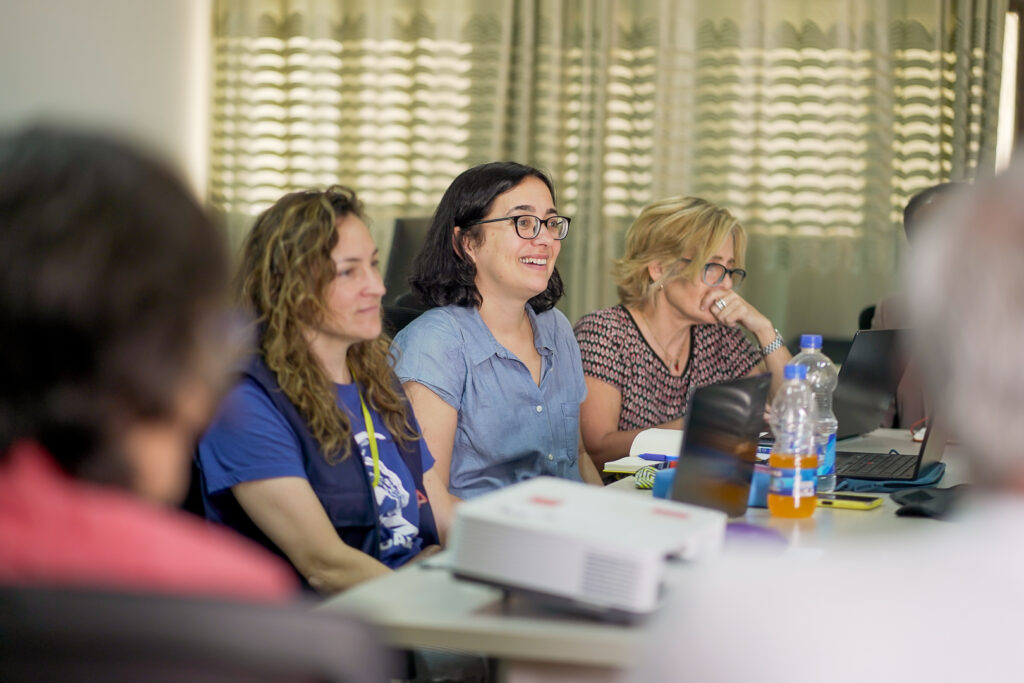
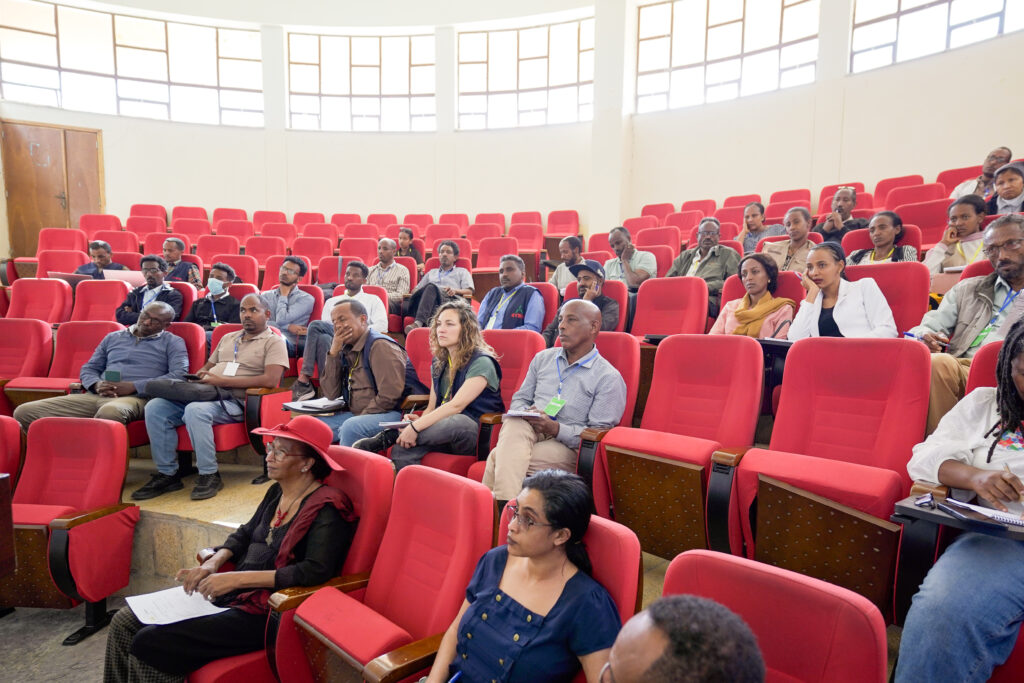
The Center for Humanitarian Studies–Tigray organizes a dynamic program of academic and practitioner-focused gatherings designed to foster dialogue, knowledge exchange, and collaborative problem-solving around humanitarian challenges in the region.
These events include thematic conferences on post-conflict recovery, resilience, and humanitarian policy, as well as seminars that bring together scholars, aid workers, and community leaders to share field experiences and innovative approaches. Regular workshops and roundtables are convened to strengthen local capacity, encourage interdisciplinary research, and promote evidence-based decision-making in humanitarian response. By hosting both regional and international participants, the Center ensures that Tigray’s unique humanitarian context is highlighted within broader global discussions, while also creating opportunities for partnerships, joint projects, and advocacy initiatives that amplify local voices and contribute to sustainable solutions.